Children & Young Adults
Children's eye exams are free under the NHS for anyone up to the age of 18 in full-time education.
Children & young
adults.
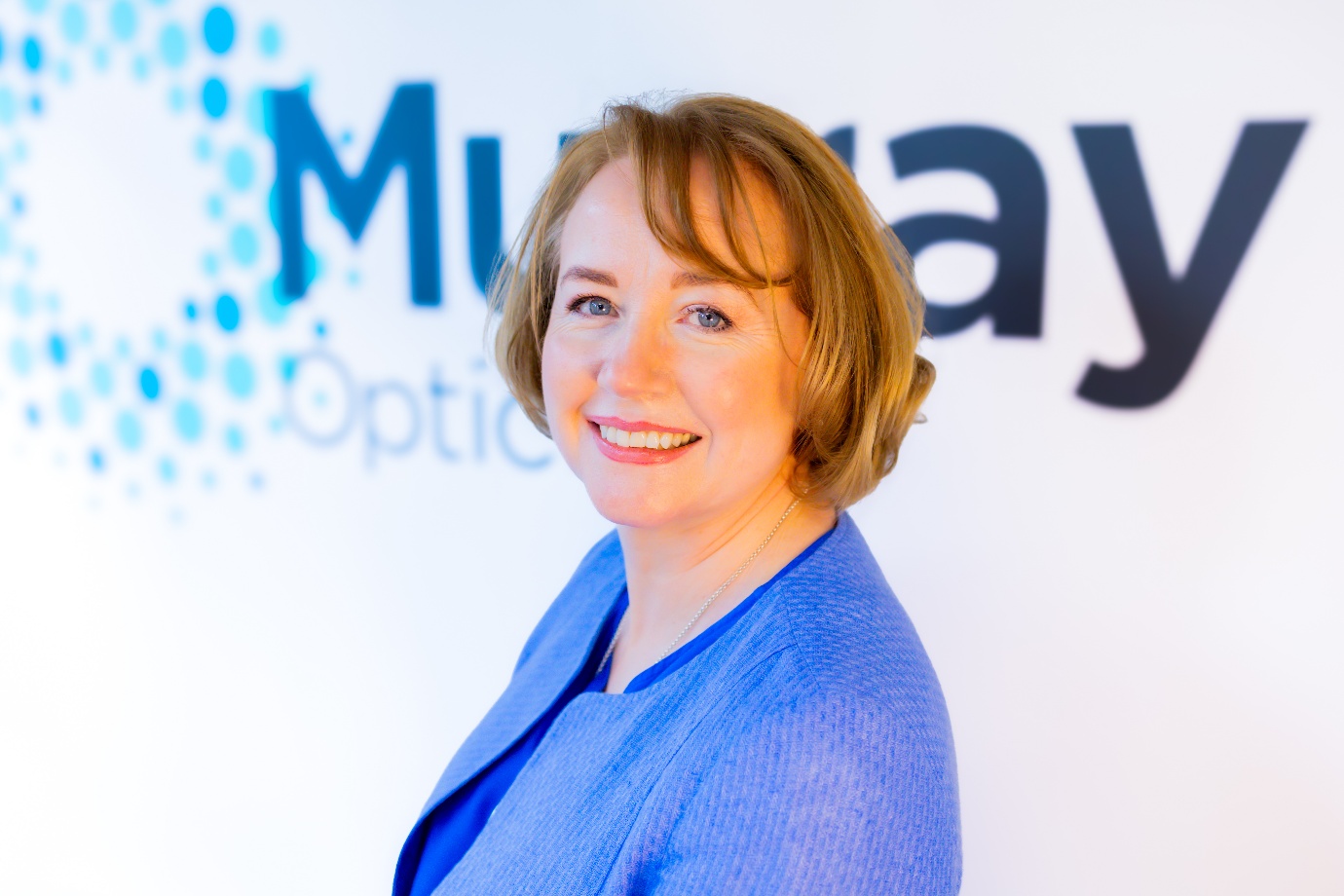
Children’s eye exams are free under the NHS for anyone up to the age of 18 in full-time education. Carmel has a specialist interest in Paediatric Eye Care and completed the College of Optometrists Professional Certificate in Paediatric Eye Care in 2019. She recommends that children have an annual eye examination.
Specialist training
College of Optometrists
From age
2.5 years onwards
Also offered
(01) When to book
Some things to look for.
Make sure your child has a full eye examination if any of the following apply — and trust your instinct. If something feels off, it’s worth a visit.
Concerns or questions?
Carmel is a specialist in testing and identifying eye conditions in children from age 2.5 yrs .
Please contact the practice if you wish to discuss an eye examination for your child.
Please contact the practice if you wish to discuss an eye examination or follow up for your child.
We offer also specialist assessment for visual stress, which can impact many children.
Common symptoms
Any one of these can warrant a check — they're rarely a problem on their own, but worth investigating.
- One eye turns in or out- this may be easier to spot when the child is tired
- They rub their eyes a lot
- They have watery eyes
- They are clumsy or have poor hand and eye co-ordination
- Your child avoids reading, writing or drawing.
- They screw up their eyes or frown when they read or watch TV
- They sit very close to the TV, or hold books or phones close to their face
- They have behaviour or concentration problems at school
- They don’t do as well at school as they should
- They complain about blurred or double vision or they have unexplained headaches.
(02) What to expect
A visit, shaped around your child.
We understand you may be concerned about your child’s vision. We use age-appropriate tests and have the training to measure their vision gently and accurately.
01
A gentle welcome
Measure their vision with easily recognisable pictures or letters
02
Age-appropriate vision check
Measure the strength of their eyes (we often put drops in to get an accurate measurement in the younger years)
03
Prescription measurement
Measure their vision with easily recognisable pictures or letters
04
Squint & eye-health check
Measure for any sign of squint or lazy eye
05
A plain-English plan
Check the health of their eyes
(03) Common Signs and Symptoms
The conditions we most often see — and treat.
A short, plain explanation of each. Tap through for fuller guidance from the College of Optometrists.
Amblyopia
Lazy Eye
Lazy eye or amblyopia may be caused if a young child needs very strong glasses, has one eye that is significantly more short-sighted or long-sighted than the other, or has a squint (where the eyes are not looking in the same direction). This means that the sight in the affected eye or eyes does not develop properly.
Strabismus
Squint
A squint occurs when your eyes don’t point in the same direction. The most common type of squint is where one eye turns slightly inwards becoming lazy.
Strabismus
Short-sightedness
If you are short-sighted you have problems seeing things in the distance clearly, but can see things that are close. There are varying degrees of short-sightedness. Around a third of people in the UK are short-sighted. The condition usually starts during primary school years and tends to worsen until the eye has stopped growing. Myopia can also develop in very young children. Adults may also become short-sighted. You are more likely to become short sighted if your parents are also short sighted.
Hyperopia
Long-sightedness
Normally, light is focussed by the cornea and lens to form a sharp image on the retina. Long-sightedness occurs when the eyeball is slightly too short so that the focus point is behind the retina at the back of the eye. If you are long-sighted, you find it more difficult to see clearly objects that are close to you. For example, words on a page or your phone screen may seem blurred.
(04) Concerns or questions?
Talk to Carmel.
Alongside her commitment to the very highest standards in patient care, Carmel has over 30 years’ experience testing eyes. She loves the challenge of sorting out whatever eye problem, vision difficulty, or spectacle issue her patients have.
Call the practice
- +44 (0)28 90 74 11 22
Email us
- info@cmurrayoptician.com